
What Is Melasma? Causes, Symptoms, and Treatments Explained
Melasma is a pigmentation condition that majorly affects women. People with dusky or deeper tones become more noticeable because of their dark and uneven patches across the face. This skin condition is recognised as the “mask of pregnancy” because it flares up with pregnancy hormones or taking birth control pills. Sun exposure can worsen this condition, as UV rays stimulate excessive melanin production.
Although melasma is not harmful, it can significantly affect a person’s confidence because of visible changes in appearance. Learn more about pigmentation disorders: National Institutes of Health (NIH).
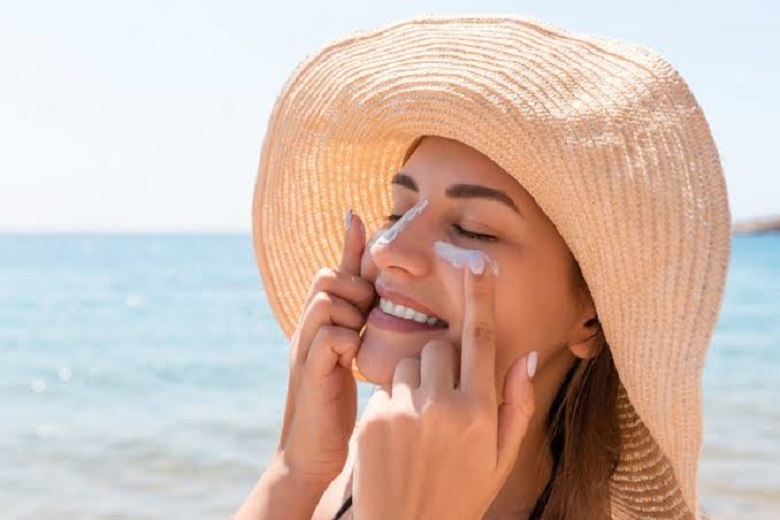
Sadly, genetics, skin colour, and hormones may cause melasma to reappear. UV rays can also make this condition worse and more prominent. Melasma cannot be completely cured. However, avoiding hormonal medications, limiting direct sun exposure, and diligently applying a broad-spectrum SPF can help reduce flares and minimise the chance of recurrence. SPF is a non-negotiable in any skin regimen when treating pigmentation! Discover guidelines on sunscreen use here: U.S. Food & Drug Administration (FDA) – Sunscreen Information
How to Treat Melasma
Treating melasma is not a straightforward procedure. This condition responds unpredictably because of hormonal activity. This makes the condition unpredictable and limits the types of treatment that work effectively. Any treatment that applies heat or creates trauma within the skin can actually worsen melasma by stimulating melanin production.
Effective Treatment Options:
- Chemical Peels – Improve melasma, pores, skin texture, tone, pigment, sun damage, fine lines, and acne.
- Cosmelan Peel – Reduces and regulates melanin production; suitable for all skin types.
- Picosecond Laser – A non-thermal laser that effectively reduces existing superficial pigment.
- Fractionating Laser – Lightens melasma through skin resurfacing while also improving texture, wrinkles, and fine lines.
- Skin Needling – Gentle/light needling can break down melasma and offer added skin benefits. However, deep needling can trigger melanin production and lead to PIH (post-inflammatory pigmentation).
Maintaining Results After Melasma Therapy
To maintain results at home, follow an active and consistent skincare routine. Include skin correctors and serums that inhibit pigment production. Look for products with one or a combination of the following ingredients to prevent melasma from returning aggressively:
- SPF: Apply daily. Choose a broad-spectrum SPF with zinc oxide or titanium dioxide to protect from UVA & UVB rays. UVA rays are highly detrimental & make the skin look aged.
- Hydroquinone: Inhibits melanin production and lightens pigmentation.
- Tretinoin/Retinoic Acid: Reduces pigmentation and improves texture, fine lines, and hydration.
- Kojic Acid: Offers anti-ageing benefits and Minimises pigmentation.
- Azelaic Acid: A tyrosinase inhibitor that evens out skin tone and treats hyperpigmentation.
- Tranexamic Acid: Reduces pigmentation by limiting blood supply to melanocytes.
- Vitamin C: An antioxidant that prevents free radical damage and inhibits melanin production.
Click for safety information here.
Can I Treat Melasma While Pregnant or Breastfeeding?
In some cases, melasma may not need any medicine or treatment but get cured on its own after pregnancy. It’s recommended to wait until childbirth and breastfeeding before starting melasma-targeted treatments. Since melasma is a reactive and unpredictable condition, treating it during pregnancy or breastfeeding could increase the risk of stimulating more pigmentation.
In summary, melasma is not harmful but can impact your confidence. With careful management—avoiding triggers, using proven treatments, and maintaining results through protective skincare—you can significantly reduce its appearance. For the safest and most effective treatment plan, always consult expert dermatologists (Dr. Sanjay Mohindra).

Dr. Sanjay Mohindra
Dr. Sanjay Mohindra is a highly respected cosmetic doctor with over 30 years of medical practice in Australia, specialising in cosmetic injectables, laser therapies, and advanced skin treatments. He has been delivering natural results and building a strong reputation with a loyal base of repeat clients.